What Cross-Media Creator Voice Alignment Means for Independent IP Builders
Coherent cross-media creator voice is the consistent tone, perspective, thematic focus, and sensory signature that makes a creator's work recognizable across every format, from written posts to audio podcasts and short-form video. This guide adapts verified publicly documented features from Google AI Asset Studio to create a foundational framework for building this consistency, without relying on specialized enterprise brand management tools.
Verified Google AI Asset Studio Brand Consistency Features
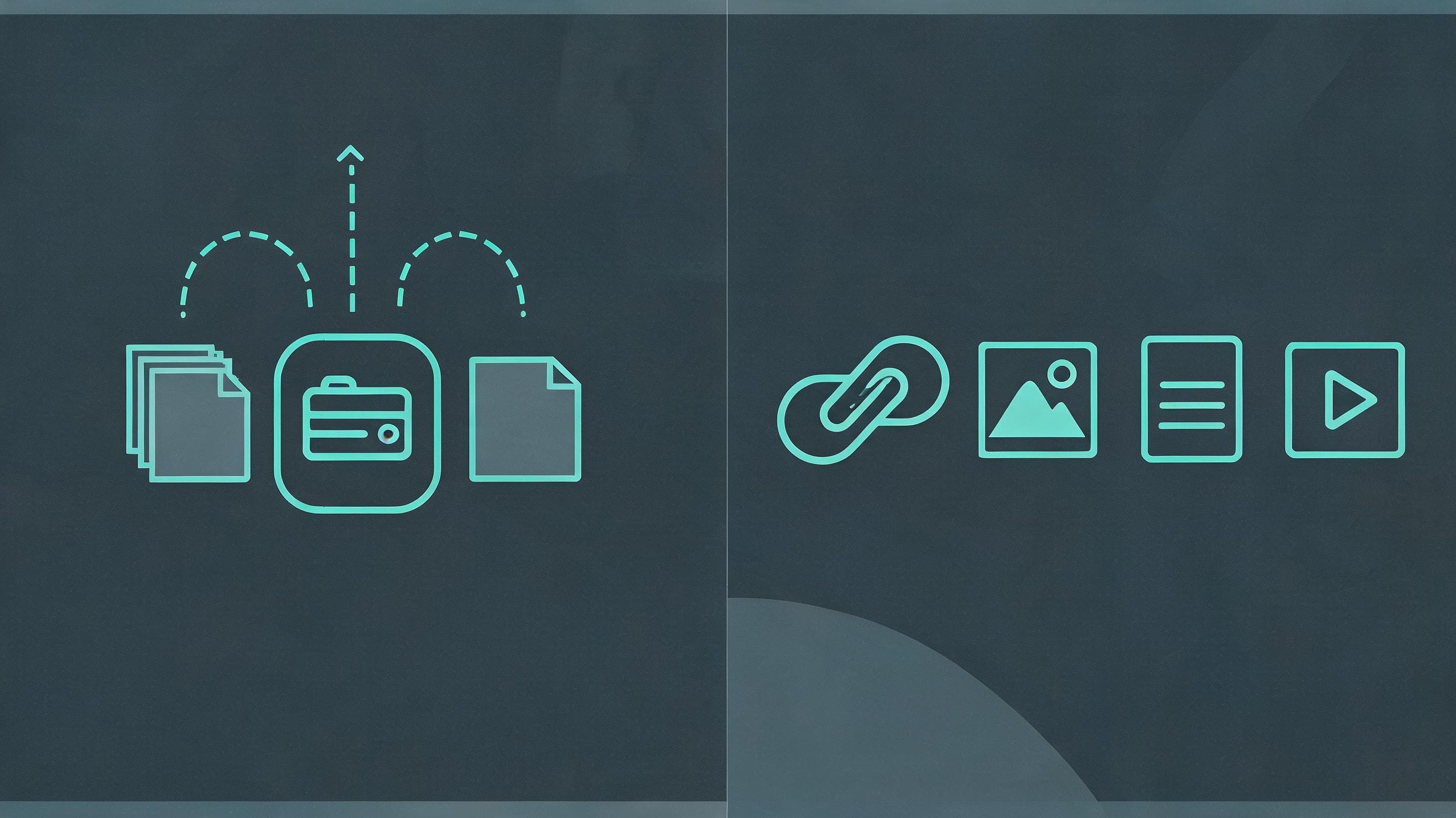
The September 10, 2025 Google announcement for AI Asset Studio confirms two core features for ad asset consistency. First, users can upload on-brand style reference images to guide AI-generated visual assets to match their brand's look. Second, the platform supports shareable links for image, text, and video assets to enable cross-team review before publication. Explicitly note that these features are designed for ad asset consistency, and any adaptation for cross-media creator voice alignment is an original editorial proposal not endorsed by Google.
Adapting Asset Studio Workflows for Cross-Media Voice Alignment
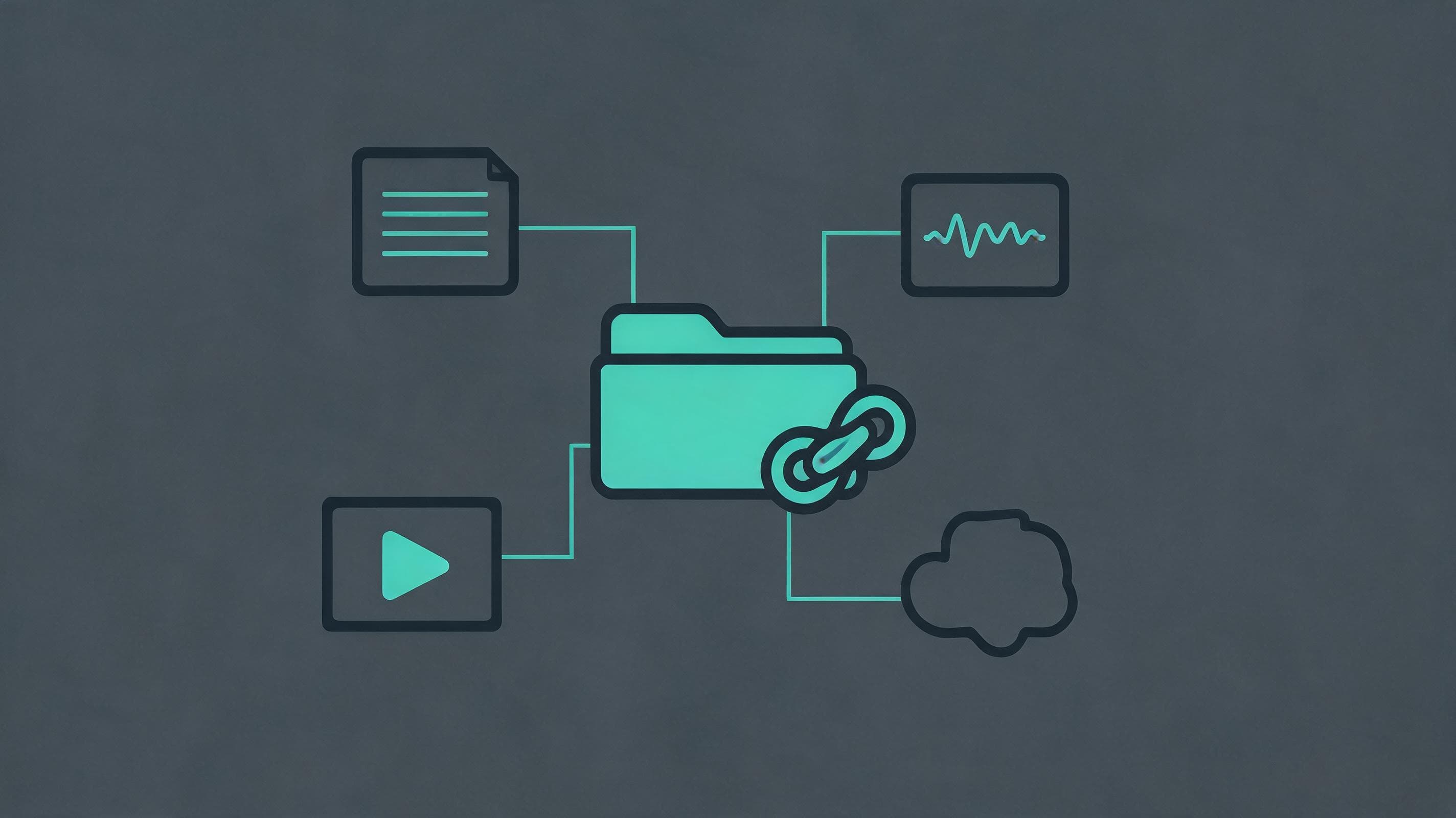
Adapt the two core Asset Studio features to creator voice use cases by first building a central voice reference pack, instead of just visual style references. This pack includes curated snippets of written content, short audio clips of your typical podcast or voiceover tone, brief clips of your standard video presentation style, plus existing visual brand assets. Next, use a cloud sharing tool to generate a shareable link to this reference pack, plus a shared review link for every new content piece you create, to cross-check against the reference pack before publication. For a hypothetical example: a true crime independent creator would build a reference pack including excerpts of their deeply researched, empathetic Substack writeups, clips of their measured, compassionate podcast narration, and snippets of their TikTok content that balances educational context with respect for crime victims, then check every new piece against this pack before posting. This workflow is not an official Google feature.
Cross-Media Creator Voice Alignment Audit Checklist
Use this 7-point checklist for every new content piece: 1. Does the tone match the reference pack examples for this content format? 2. Does the narrative perspective align with your established creator point of view? 3. Are core thematic priorities consistent with your past work? 4. Have you verified you hold all necessary usage rights for any included assets? 5. Does the piece avoid stylistic choices that fall outside your established voice parameters? 6. Have you shared a draft with a trusted reviewer for cross-check against the reference pack if possible? 7. Have you saved a snippet of the final piece to update your reference pack as your voice evolves intentionally?
Framework Limitations and Next Steps
As of October 5, 2026, no retrieved public evidence from allowed domains addresses dedicated cross-media creator voice alignment tools for written, audio, and video content. This adapted framework does not guarantee perfect voice consistency, eliminate compliance risk, or ensure legal safety for content outputs. You can refine the framework over time by updating your reference pack as your voice evolves intentionally, and adjusting your review process to fit your team size and content output cadence.