Define each party’s contributions when claiming authorship for AI-assisted stories.
Reading time
10 min read
Level
Intermediate
Reviewed
October 7, 2026
Author
LensRhyme Editorial
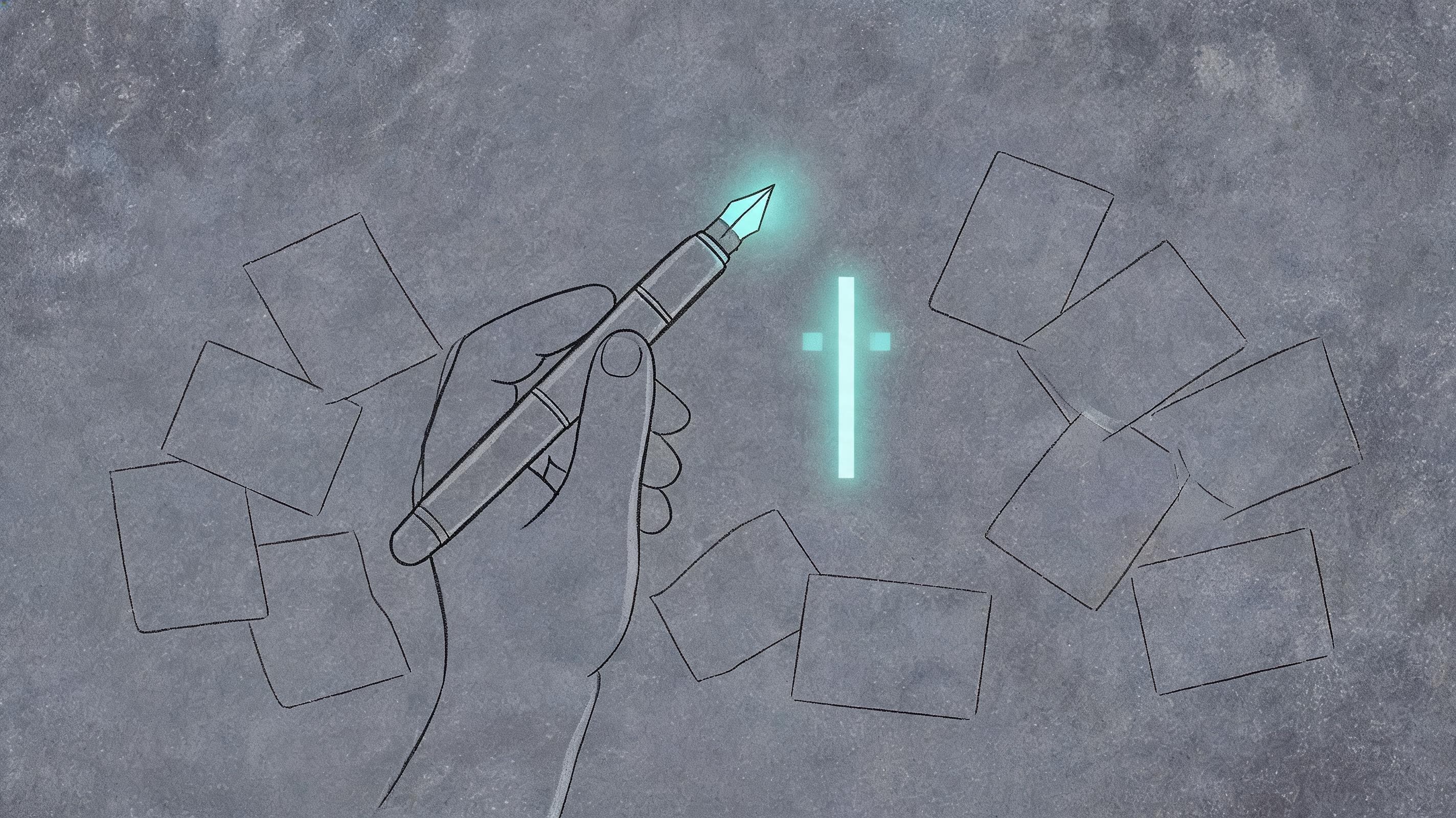
This is an AI-generated conceptual illustration, not a screenshot, authentic released asset or empirical evidence, introducing the core topic of authorship for AI-assisted narrative works.
What Counts as Verifiable Authorship for AI-Assisted Stories Right Now
Per our original editorial guidance for independent IP builders, establishing evidence of verifiable authorship of AI-assisted stories relies on tracking unique human creative decision-making, as no formal industry, platform, or legal rules governing AI narrative work authorship are present in the current retrieved evidence set. This is not a universal confirmation that no such rules exist anywhere, only a statement of what is reflected in the sources accessed for this guide. This guidance holds that automated output generated by AI tools does not on its own constitute a basis for authorship claims; only the creative choices you as a human make to shape core story elements, refine output, and direct the AI’s work count toward your attributable contribution. No current evidence confirms that any level of AI assistance automatically qualifies or disqualifies a work for copyright protection or official authorship recognition.
Existing AI Tool Rights Rules to Follow for Story IP
The only verified rights rule relevant to AI-assisted story world building available in current evidence comes from Runway’s reference media guidelines, which state that users are fully responsible for securing all rights and consent for any likenesses of people submitted as reference material for AI generation. For story creators, this applies if you use reference art, character likenesses, or real-world source material to generate AI-assisted story assets, including character visuals, setting art, or animated story clips. You must confirm you hold appropriate rights to any material you input into AI tools, as no AI tool provider takes responsibility for unlicensed reference material submitted by users.
This is an AI-generated conceptual illustration, not a screenshot, authentic released asset or empirical evidence, illustrating the rule that creators are responsible for securing rights to all reference material submitted to AI story tools.
Tool-Agnostic Workflow to Document Your Creative Contribution
Below is a hypothetical, non-guaranteed workflow to track your authorship contributions during AI-assisted story development, using a middle-grade fantasy novel IP as an example. First, before using any AI tools, log your core original creative choices: for the hypothetical novel, this would include the core premise of a 12-year-old cartographer who maps magical hidden neighborhoods in their city, full character backstories for all leads, and three-act plot beat structure with key turning points. Next, for every AI prompt you submit to draft story text, generate character art, or build setting descriptions, save a timestamped copy of the prompt and note the specific creative direction you gave the tool, for example, a prompt to draft a scene where the lead discovers a hidden library, with specific instructions to keep the tone warm and include a character quirk of the lead chewing peppermint gum while exploring. Finally, save a full change log of every edit you make to AI-generated output, including line edits to dialogue, changes to plot events, and adjustments to character design details from AI-generated reference art. This method does not guarantee copyright eligibility, legal compliance, or successful IP ownership claims.
This is an AI-generated conceptual illustration, not a screenshot, authentic released asset or empirical evidence, illustrating the process of logging human creative decisions and AI prompts during story development.
Reusable Authorship Documentation Checklist
Use this checklist to track evidence of your creative contribution at every stage of production; this is a documentation aid, not formal legal advice. 1. Save dated records of all core original story concepts, character designs, plot beats, and worldbuilding rules created before any AI tool use. 2. Retain proof of rights for all reference material, including likenesses, art, or text, submitted to AI tools for story asset generation, in line with your AI tool provider’s terms of service. 3. Log every AI prompt you submit, including timestamp, specific creative instructions, and the intended story purpose of the request. 4. Save a full, dated change log of all edits, revisions, and adjustments you make to any AI-generated story content, including text, art, and video assets. 5. Maintain a final master copy of the completed story that clearly distinguishes original human-created content from AI-assisted output, if needed for future reference.
Current Guidance Limitations and Next Steps
All current guidance is limited by the absence of verified official legal, industry, or platform-specific rules for AI-assisted narrative story authorship in the available evidence set. This review did not verify relevant guidance from Blender, OpenAI, or Runway Gen 4 support resources, as retrievals for those sources failed, so their existing rules may not be reflected here. As formal guidance on AI narrative authorship is still evolving, creators should monitor official updates from the U.S. Copyright Office, their chosen AI tool providers, and creator advocacy groups like the Authors Guild for future rule changes.
100 AI startups join Google’s Gemini Startup Forum — blog.googleAs of October 6, 2026, more than 100 AI startups selected from over 2,000 global applications are scheduled to participate in the fourth Google for Startups Gemini Startup Forum in Mountain View, California, with eligible participating startups able to access up to $350,000 in Google Cloud credits.